
Bil Shami
Syrian Proverbs We Use Every Day… But What’s the Story Behind Them?
Proverbs are a big part of everyday life in Damascus. We use them all the time without thinking about where they came from. Some have funny stories behind them. Others are linked to old traditions and life in Damascus. And some have even changed meaning over the years. Here are five Syrian proverbs you probably hear all the time, along with the stories behind them.
1. Amle el Sabaa w Zemmetha
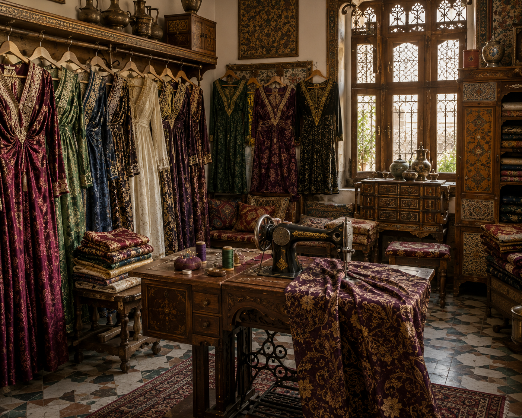
According to a popular story, this saying goes back to the time of Ottoman governor Midhat Pasha in Damascus. There was a skilled seamstress named Mirvat who lived in Al-Qanawat. Women came from different areas to have their clothes made by her. At the time, a new dress style became popular. Its neckline looked like the number seven in Arabic, so people called it the “Sab’a.”
Mirvat learned how to make it very well. Later, an even harder version became popular, called the “Sab’a Mazmoume”
Mirvat learned that one too.
When women asked, “Can you make the Sab’a neckline ?” she would answer:
“I make El Sab’a w Zameta.”
Over time, the meaning changed.
2. Shammaa el Khayt w Hereb
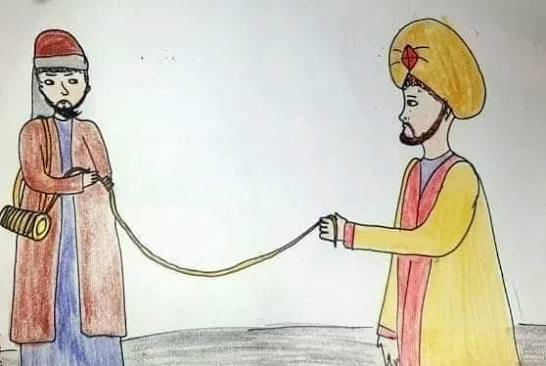
The story says that a tailor was in prison and had been sentenced to death. When asked for his last wish, he asked for a needle and some thread. He then said the thread was too thin and needed wax to make it stronger. So the guards brought him a candle. The tailor started waxing the thread while slowly moving backward. He kept moving until he was far enough from the guards.
Then he ran away!
That is supposedly how “Shammaa el Khayt w Hereb” became a saying.
It literally means “He waxed the thread and ran away.”
Today, it is used when someone suddenly disappears or avoids a responsibility.
There is no proof that this story really happened, so it is considered a popular story rather than confirmed history.
3. De’ el May w Hiyye May
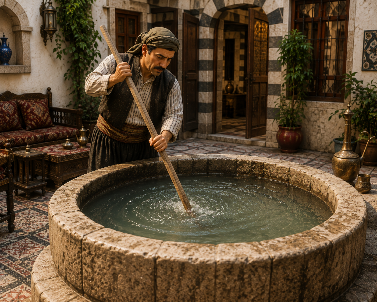
According to the popular story, this saying goes back to a time when people depended on wells and springs for water. A man didn’t like the water in a well. He thought it was too still, so he started hitting and stirring it with a stick. He kept trying, but nothing changed.
The water was still water!
That is where “De’ el May w Hiyye May” supposedly came from.
Today, it is used when someone keeps trying the same thing without getting anywhere.
4. Yenbaa Bel Aza
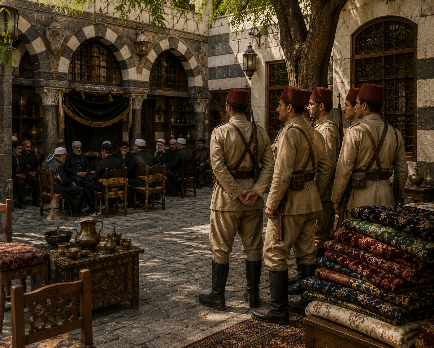
This saying is linked to Al-Safar Barlik, during World War I. At the time, men were forced to join the Ottoman army. According to the popular story, some men tried to escape by pretending they had died. Their families would hold a fake funeral while the man hid or escaped. Before leaving, he might sell his valuable belongings to have money while hiding.
This is where “Yenbaa Bel Aza” supposedly came from.
It literally means “sold at the funeral.”
Today, it is used when someone has lost their value or respect in someone’s eyes.
5. Habl el Kezb Aseer
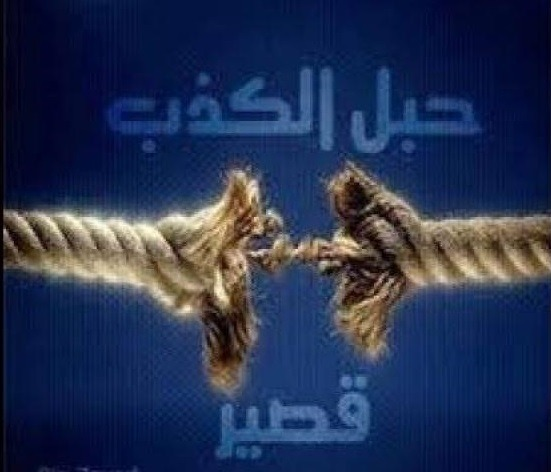
This is one of the most common Syrian proverbs. “Habl el Kezb Aseer” literally means “The rope of lies is short.”
The idea is simple: no matter how long you keep a lie going, the truth will eventually come out. According to the popular story, a rich merchant in Baghdad had many servants. One day, 1,000 gold coins were stolen from him. He didn’t know who took them. So he gave each servant a rope and told them that the thief’s rope would grow by 10 centimeters overnight. The next morning, all the ropes were the same length except one.
One rope was 10 centimeters shorter! The thief had cut it because he was afraid his rope would actually grow and expose him. So, while trying to hide the truth, he gave himself away.
That is supposedly how the saying began.
Today, we use “Habl el Kezb Aseer” when someone tells a lie but gets caught soon after.
Which Syrian proverb do you use all the time? And do you know the story behind it?



Top 5 Women's Gyms in Damascus
23 Dec 2025

Discover Syria’s National Flower: Damask rose
08 Sep 2025

Let me be your guide to Dimashq & Syria!
Or start with one of these