
Bil Shami
Damascene Dishes and the Stories Behind Their Names
In Damascus, food is not just food. Every dish has a story. Many dishes have special names, and the names come from old stories or traditions. Some Damascene dishes are also cooked only on special days or family gatherings.
1. Tabakh Roho
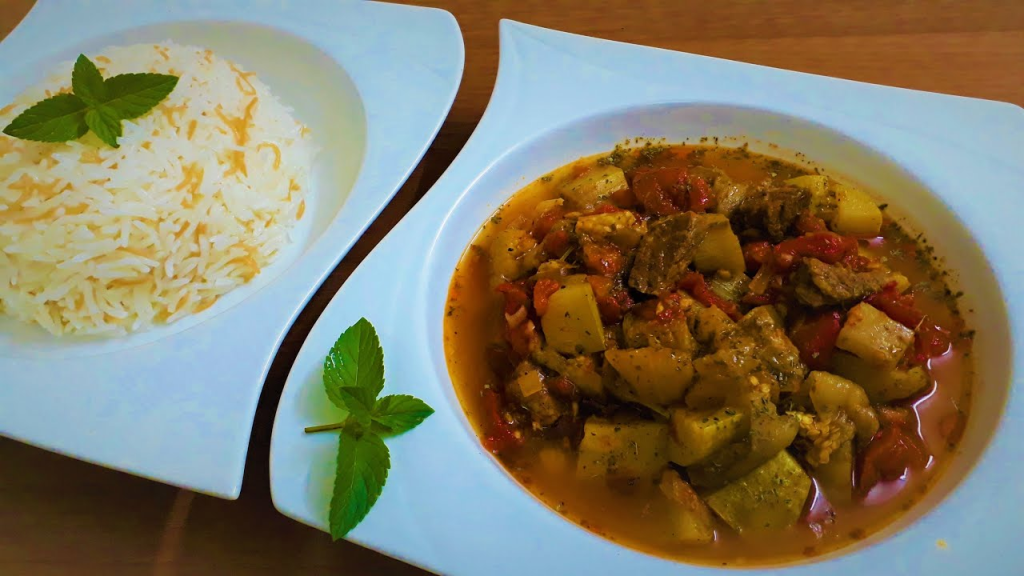
Tabakh Roho is a dish with vegetables, meat, garlic, and mint. The story says a princess named Roho did not like palace food. Many chefs cooked for her, and she liked this dish the most. So the dish was called Tabakh Roho. Today, people cook it for small family gatherings.
2. Shish Barak
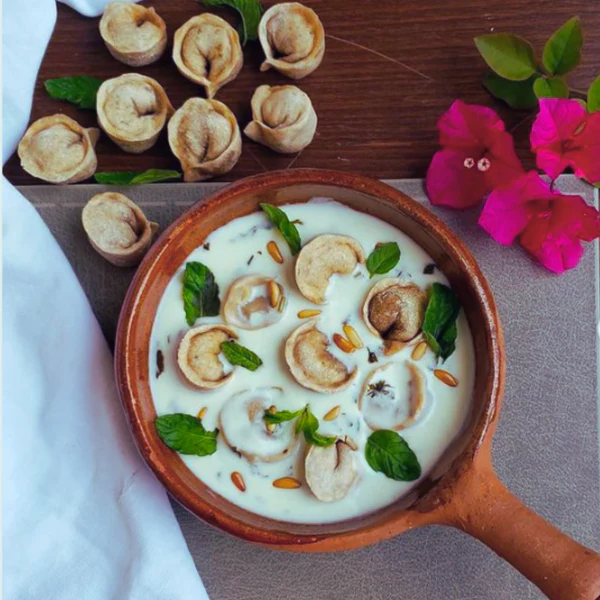
Shish Barak is small dough dumplings filled with meat and cooked in yogurt. The name comes from a Turkish word that means “soldier’s hat,” because the dumplings look like small hats. This dish is usually made for special occasions, Ramadan, and family gatherings.
3. Basha w Asakro
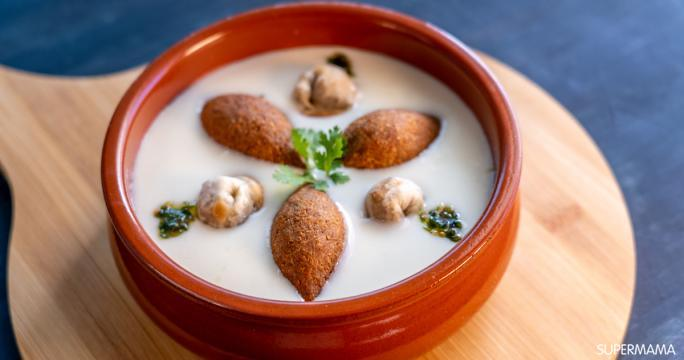
This name means “The Pasha and His Soldiers.” The dish has one large kibbeh in the middle and small dough balls around it. The big kibbeh is the pasha, and the small balls are the soldiers. This dish is made for big gatherings and special occasions.
4. Shakriyeh
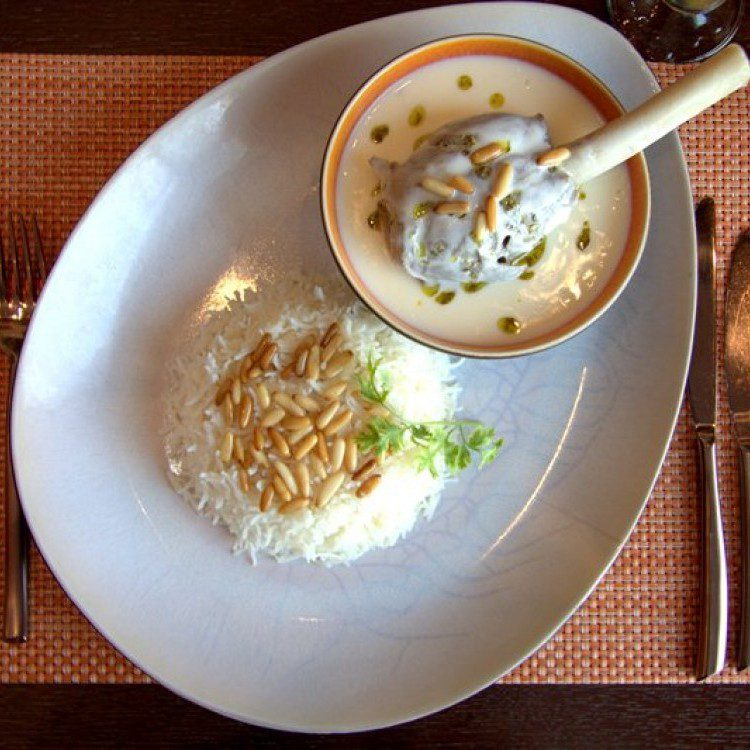
Shakriyeh is a yogurt dish with meat, served with rice and nuts. The name comes from a boy named Shaker who loved this dish, so his mother named it after him. People usually cook this dish on Fridays and holidays.
5. Haraq Osbao
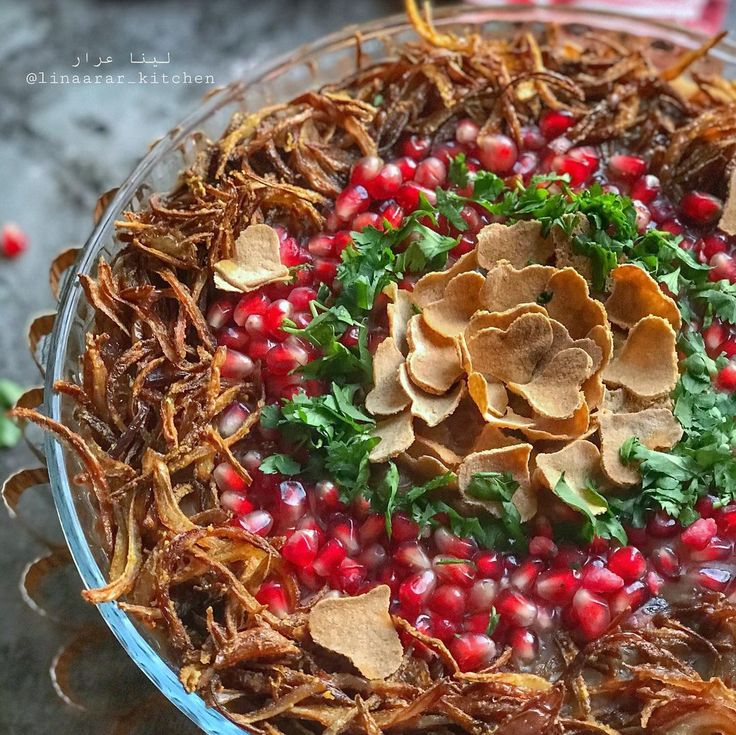
Haraq Osbao is made with lentils, tamarind, onions, and fried bread. It has a sweet and sour taste. The name means “He burned his finger” because people could not wait for it to cool before eating.
6. Mujaddara
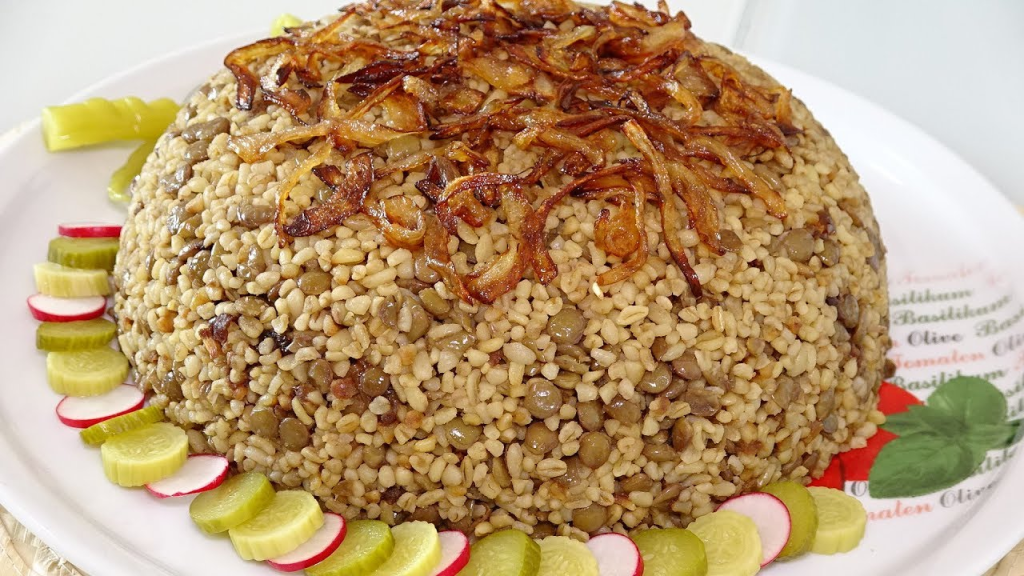
Mujaddara is made with lentils, rice or bulgur, and fried onions. It is a simple and popular dish. The name comes from its shape, which people said looked like small spots.
7. Sheikh Al-Mahshi
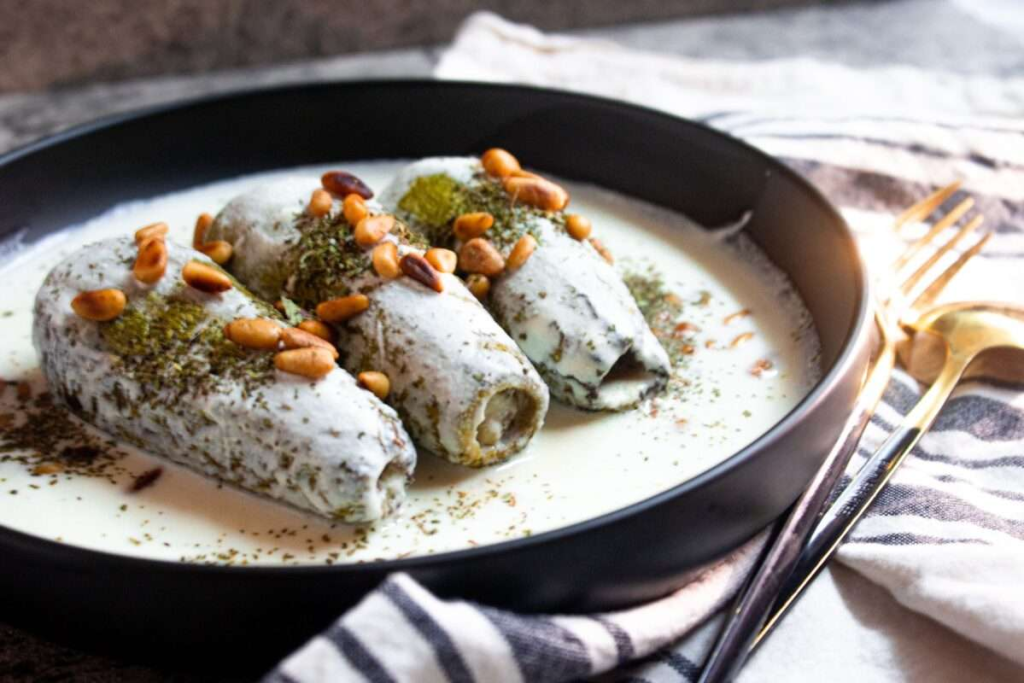
Sheikh Al Mahshi is zucchini stuffed with meat and pine nuts. In the past, meat and nuts were expensive, so this dish was considered rich and special. That is why it was called “Sheikh.”
Damascene food has many stories and traditions. Every dish has a story and a special place on the table.

Top 5 Women's Gyms in Damascus
23 Dec 2025


Let me be your guide to Dimashq & Syria!
Or start with one of these